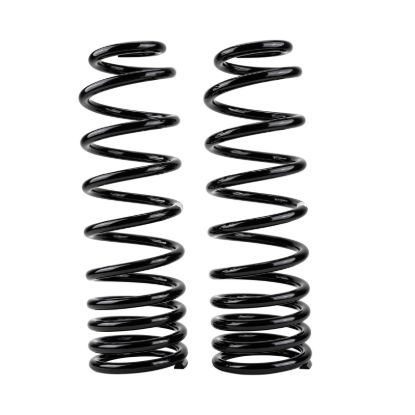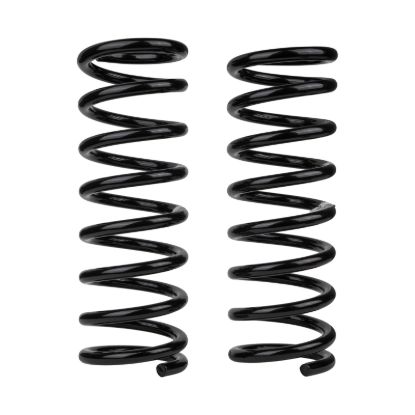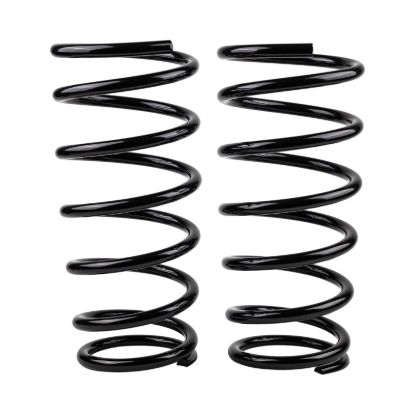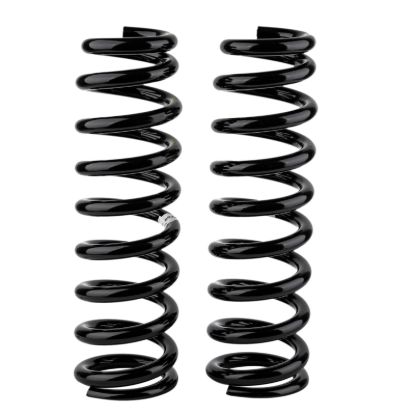

APR COILOVERS MQBMQB EVO
aprSUS00026
APR 15-24 Audi A3/S3/VW Golf R/GTI/19-24 Audi Q3/VW Jetta (MQB/MQE EVO) Roll-Control Coilover System
1.436,92 € excl. VAT
Which part of the chassis actually needs replacing – the dampers, the springs or the links that hold the wheel in place? In this category we bring together suspension parts, from shock absorbers and coilover kits to control arms, anti-roll bars and lift kits. It is aimed both at you with a sports car and at you with a pickup or SUV.
The suspension keeps the tyres in contact with the road and controls how the body moves under braking, acceleration and cornering. The springs carry the car's weight and determine ride height, while the shock absorbers dampen the springs' movements. Control arms, ball joints and links hold the wheel in position, and an anti-roll bar can reduce body roll in corners. Worn parts can typically be felt as a floaty ride, imprecise steering or uneven tyre wear.
Start with what the car will be used for. A road and track project has different requirements than a pickup that needs to be lifted for bigger tyres. Pay particular attention to:
The parts are developed for specific car models, model years and drivetrains, so always check the part number against your car. This can be seen, for example, with dampers for the Ford F-250/F-350 Super Duty 4WD, which are available for different lift heights, and with kits for the Cayman (981) or Fiat 500X. After fitting springs, dampers or control arms, the car should have a wheel alignment, and working with compressed springs requires the correct tools. If you hear knocking or feel play, the cause may also lie in the bushings and mounts.
In this category you will find parts from brands such as Moog, Bilstein, QA1, KYB and AST. What suits your project is determined by car model, use and desired ride height rather than by brand alone. Look out for leaking dampers, cracked shock absorber boots and play in ball joints, and inspect adjustable parts regularly, especially after track or off-road driving.
It depends on the car, the product and how much the height is changed. Changes to the suspension and ride height may require an inspection or documentation, so check the requirements and any approval for the specific part number before you fit it.
A lowering kit typically consists of shorter springs, possibly with matched dampers, and gives a fixed ride height. A coilover kit combines spring and damper in one unit and is often height-adjustable, some also in damping.
It is typically recommended to replace dampers in pairs on the same axle so that both sides damp equally. A new damper next to a worn one can cause uneven behaviour under braking and in corners.
New springs, dampers, control arms or a change in ride height can alter camber, caster and toe. Incorrect alignment can cause uneven tyre wear and affect steering, so a wheel alignment should typically follow the work.