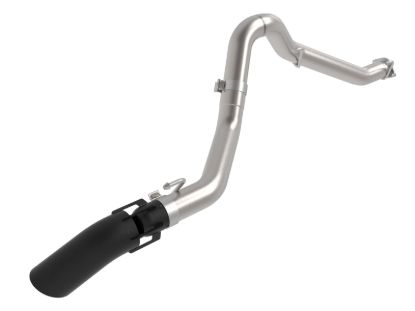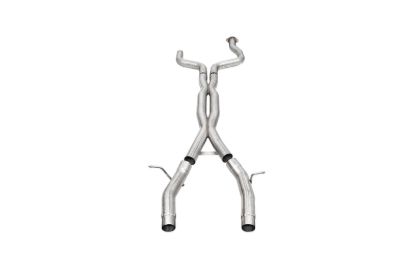

Vulcan Series Cat-Back Exhaust System
afe49-38095-P
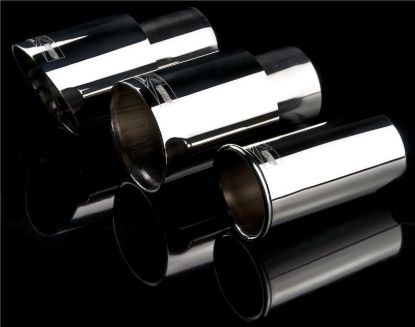
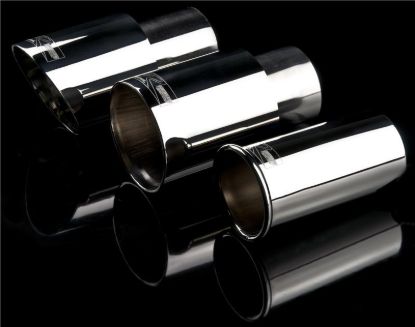
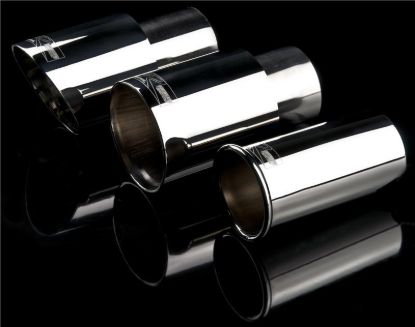
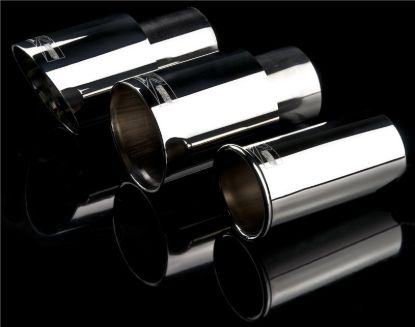
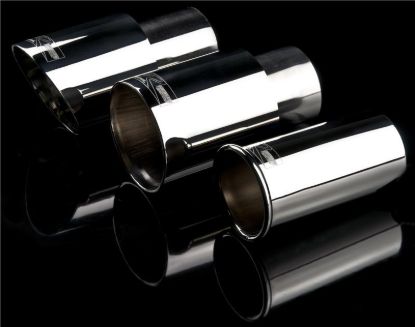
aFe Vulcan Series 3in 304SS Cat-Back 21 Jeep Gladiator V6-3.0L (td) - Dual Polished Tip
1.344,81 € excl. VAT
Want a deeper sound or better flow for your car, or do you just need new parts after rust and wear? Here you'll find complete exhaust systems and individual parts, from exhaust manifolds and catalytic converters to mufflers, pipes, clamps and heat protection. This category is for you if you want to replace, upgrade or build a completely new system for your project.
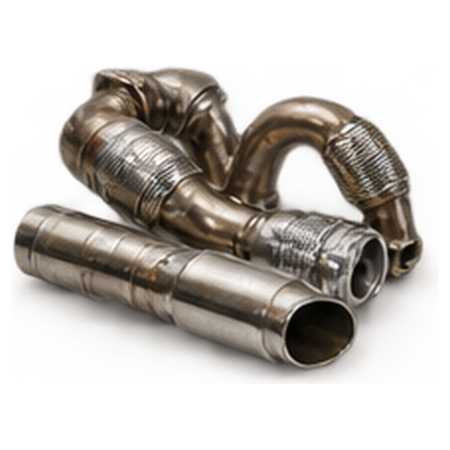
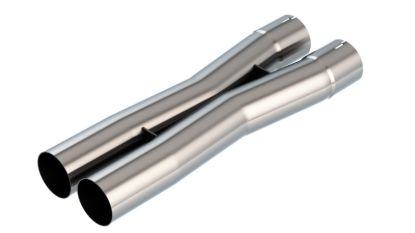
The exhaust carries gases from the engine out under the car and affects sound, back pressure and heat. The exhaust manifold sits closest to the engine. On many projects it is replaced by headers, which are manifolds with a separate pipe for each cylinder and can improve flow. Next come catalytic converters and mid-pipes such as H-pipes and X-pipes, which connect the two pipe runs on V engines. Last come mufflers and resonators, which shape the sound and reduce drone.
First decide how much of the system you want to replace. A cat-back system replaces everything after the catalytic converter and is typically a straightforward choice if sound and looks are your goal. An axle-back system replaces only the section behind the rear axle. Among the complete exhaust systems you'll find cat-back systems from Flowmaster and Diamond Eye, for example, and Kooks is one example of a header brand. The category also includes parts from Magnaflow, Borla, aFe, Gibson and Stainless Works, among others. Then choose based on several factors:
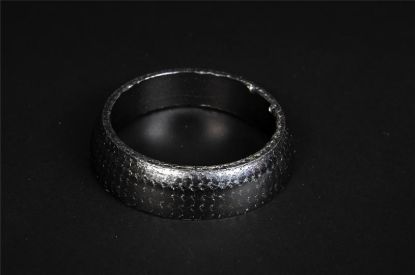
The exhaust is exposed to heat and vibration, so hangers, gaskets and joints need to be in good condition. Quality clamps and new rubber hangers reduce the risk of leaks and rattles. Headers can raise engine bay temperatures. Heat shields or heat wrap can protect wiring, hoses and the floor pan from overheating. Re-tighten the joints after the first few drives, as gaskets and flanges typically settle.
A cat-back system replaces the pipes, mufflers and tips from the catalytic converter back. An axle-back system replaces only the section behind the rear axle, typically the rear muffler and the tips. Cat-back usually changes the sound more, while axle-back is easier to install.
That depends on the product and the car. Sound level, catalytic converter and any E-mark must be checked for the specific part number. Changes to the catalytic converter can affect emissions, and parts intended for competition use are typically not approved for road use.
Headers can improve flow, but the gain depends on the engine, pipe length, pipe diameter and the rest of the system. Long-tube headers typically give a different power curve than shorty headers, and getting the full benefit often requires an engine tune.
Drone typically occurs at certain engine speeds, when the sound hits the cabin's resonant frequency. A resonator or a different type of muffler can reduce the problem, but the result depends on the car, the pipe lengths and how the system is built.